- Home
- Our Community
-
Offices & Ministries
- Administrative Offices (A-N)
-
Administrative Offices (O-Z)
- Planning, Properties & Housing
- Public Relations & Communications
-
Spiritual Affairs
- Home
- Churches and Ecclesial Communities with valid Baptism
- Registration Forms for Baptism, First Holy Communion, Confirmation, and RCIA
- Marriage Preparation
- Celebration of Holy Mass Outside of a Sacred Space Protocol
- Exorcism Protocol
- Healing Service Protocol
- Visiting Clergy-Laity Protocol
- Selected Pastoral Notes on Sacraments and Sacramentals
- Faculties for Clergy
- Temporal Affairs
- Western Bishops Office
- Volunteer Screening
- Pastoral Ministries
- Outreach in Justice & Love
- Our Faith
- Outreach
- Contact Us
- Search
Interfaith Relations
Peace, Mutual Respect, and Human Dignity
Interreligious dialogue is a necessary condition for peace in the world, and so it is a duty for Christians as well as other religious communities.”1 In friendship and respect, the Church reaches out to faith communities of non-Christian religions with “an attitude of openness in truth and in love, in spite of various obstacles and difficulties, especially forms of fundamentalism on both sides.Interfaith commitment is realized through dialogue:
"Dialogue can be understood in different ways. Firstly, at the purely human level, it means reciprocal communication, leading to a common goal or, at a deeper level, to interpersonal communion. Secondly, dialogue can be taken as an attitude of respect and friendship, which permeates or should permeate all those activities constituting the evangelizing mission of the Church. This can appropriately be called ‘the spirit of dialogue’. Thirdly, in the context of religious plurality, dialogue means ‘all positive and constructive interreligious relations with individuals and communities of other faiths which are directed at mutual understanding and enrichment’, in obedience to truth and respect for freedom. It includes both witness and the exploration of respective religious convictions. It is in this third sense that the present document uses the term dialogue for one of the integral elements of the Church's evangelizing mission."2
Underlining dialogue is the vision that all persons who have faith in God and faith in human fraternity in fact are called to seek “to unite and work together so that it may serve as a guide for future generations to advance a culture of mutual respect in the awareness of the great divine grace that makes all human beings brothers and sisters”.3
“The values shared by our religious traditions should be effectively promoted in order to defeat the culture of violence and indifference afflicting our world. Indeed, religious values should be directed towards promoting a culture of respect, dignity, compassion, reconciliation, and fraternal solidarity in order to overcome both dehumanization and environmental destruction.
Religious leaders in particular, inspired by their respective spiritual narratives and traditions, should cooperate in responding to the abovementioned crises, identifying their causes and taking appropriate action.
Since there is a single global human family, interreligious dialogue ought to be recognized as an effective instrument for resolving local, regional, and international conflicts, especially those incited by the abuse of religion. Moreover, our religious beliefs and rituals have a particular capacity to speak to the human heart and thus foster a deeper respect for human dignity.
Acknowledging that a healthy, peaceful and harmonious living environment is vital for becoming true servants of God and custodians of creation, we sincerely call on all people of good will to take decisive action in order to maintain the integrity of the natural environment and its resources, for we have inherited them from past generations and hope to pass them on to our children and grandchildren.”4
On the day after the Mass for the Inauguration of his Petrine Ministry, Pope Leo XVI reaffirmed this commitment:
|
“In a world wounded by violence and conflict, each of the communities represented here brings its own contribution of wisdom, compassion and commitment to the good of humanity and the preservation of our common home. I am convinced that if we are in agreement, and free from ideological and political conditioning, we can be effective in saying ‘no’ to war and ‘yes’ to peace, ‘no’ to the arms race and ‘yes’ to disarmament, ‘no’ to an economy that impoverishes peoples and the Earth and ‘yes’ to integral development. The witness of our fraternity, which I hope we will be able to show with effective gestures, will certainly contribute to building a more peaceful world, something that all men and women of good will desire in their hearts.”5 |
Pope Leo XIV strongly exhorts all religious communities to become houses of peace in society:
“An essential service that religions must render to a suffering humanity is to guard against the growing temptation to weaponize even thoughts and words. The great spiritual traditions, as well as right reason, teach us to look beyond blood ties or ethnicity, beyond associations that accept only those who are similar and reject those who are different. Today, we see that this cannot be taken for granted. Unfortunately, it has become increasingly common to drag the language of faith into political battles, to bless nationalism, and to justify violence and armed struggle in the name of religion. Believers must actively refute, above all by the witness of their lives, these forms of blasphemy that profane the holy name of God. Therefore, alongside action, it is more necessary than ever to cultivate prayer, spirituality, and ecumenical and interreligious dialogue as paths of peace and as languages of encounter within traditions and cultures. Throughout the world, it is to be hoped that ‘every community become a “house of peace,” where one learns how to defuse hostility through dialogue, where justice is practiced, and forgiveness is cherished.’ Now more than ever, we must show that peace is not a utopia by fostering attentive and life-giving pastoral creativity.”6
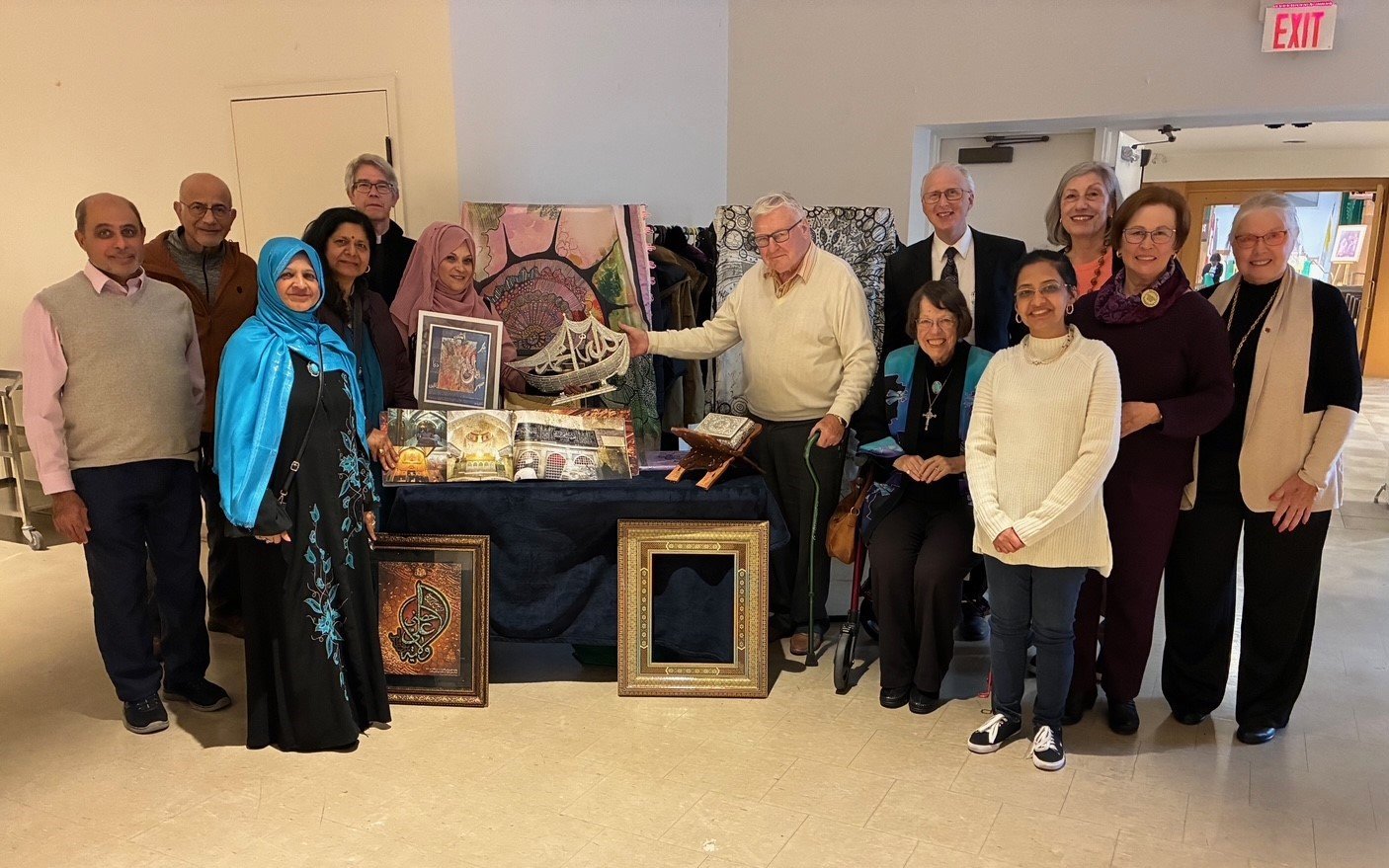
Interreligious outreach is often done with Catholic partners as well as ecumenically with other Christians and various faith communities and organizations.
|
|
Activities
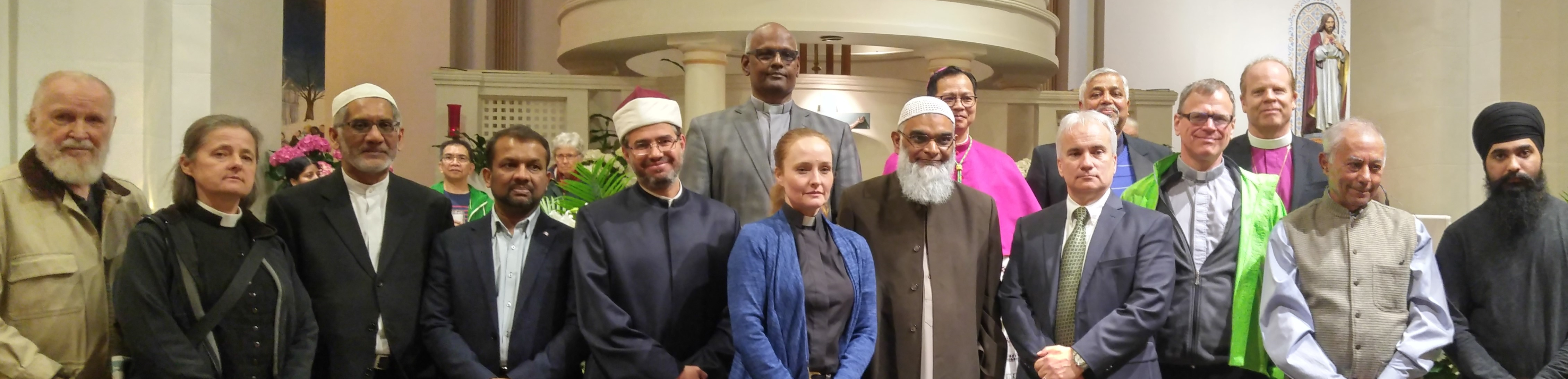
Since the early days of establishment of an Office, the Archdiocese of Toronto has provided leadership in reaching out to people of other faiths. In fact, it may be considered a “mother and the hub” ushering in many organizations for interreligious dialogue. The Office continues to share our meeting spaces and offer hospitality to various groups.
World Interfaith Harmony Week
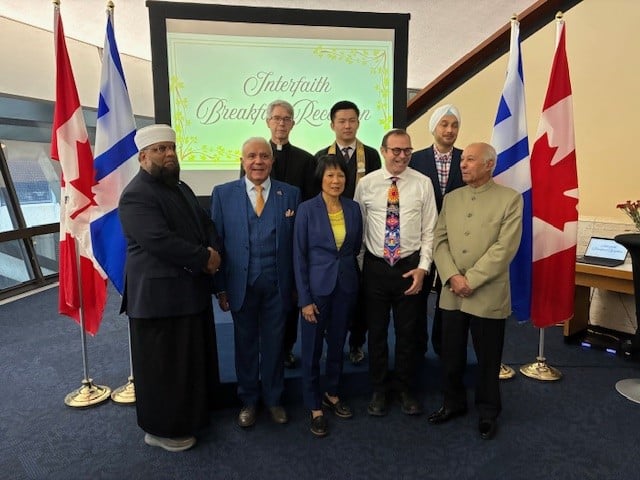
Various interreligious events across the Greater Toronto Area are held during World Interfaith Harmony Week, from the 1st to the 7th of February annually. For a list of events in 2026, recommended by the Office for Ecumenical & Interfaith Relations, click here. For a list of resources click here. For a list of prayers of the faithful/intercessions click here.
International Day of Human Fraternity is observed during this week on the 4th of February. It was inspired by the commitment of the Vatican and the Grand Imam of Al-Azhar in 2021 to promote a culture of peace, understanding and solidarity.
Messages, Greetings of the Dicastery for Interreligious Dialogue and Visits to Faith Communities
The Office shares the annual messages of the Holy See’s Dicastery for Interreligious Dialogue with various faith communities on days of religious observance and significance. These often provide an occasion for visits and solidarity in neighbourhoods across the Greater Toronto Area. Relatedly, get togethers over meals are often organized on occasion.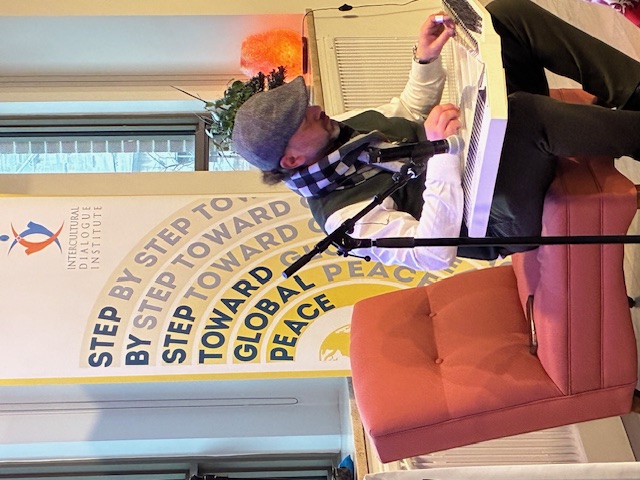
Education and Formation
The Archdiocese of Toronto provides various opportunities for on-going formation for promoting education for interreligious dialogue, ranging from recommended webinars to on-site workshops and presentations in schools and parishes.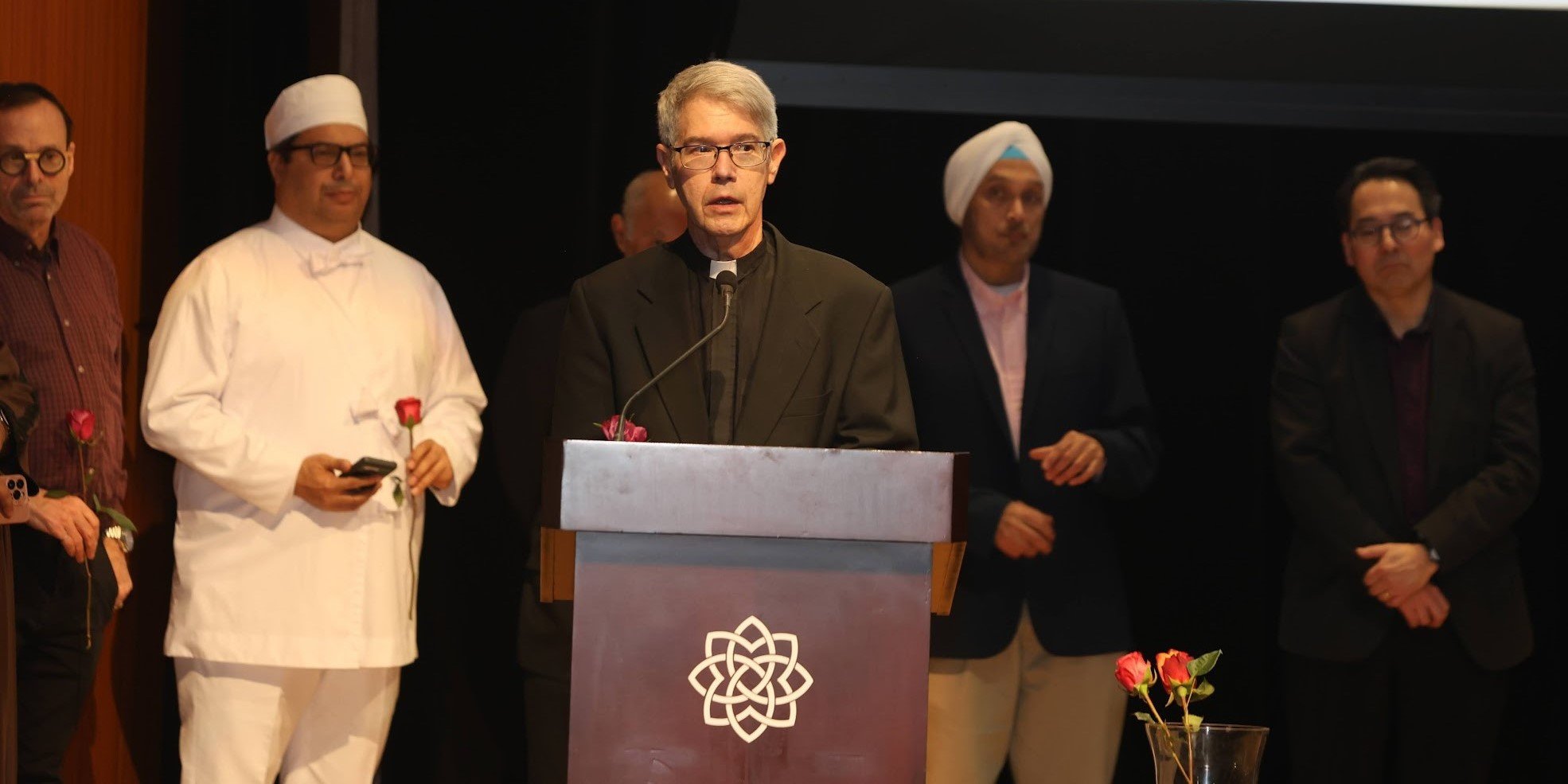
More formal programmes of study are offer in Catholic theological institutes of higher learning in the Archdiocese of Toronto. St. Augustine’s Seminary, The Faculty of Theology of the University of St. Michael’s College, and Regis College undertake their respective missions as founding members of the Toronto School of Theology and confer degrees and conjointly with the University of Toronto as well other courses through continuing educational institutes.
As the Major Seminary for the Archdiocese of Toronto, St. Augustine’s Seminary has as its primary purpose the preparation of candidates for priesthood in the Catholic Church. It is also mandated to form men and women aspiring to other ministries in the Church. St. Augustine’s Seminary provides courses, events, and formative encounters to meet the challenge of interreligious dialogue among these future leaders in the Church.
- Course on Introduction to Ecumenism and Interreligious Dialogue for degree students in general as well one for candidates for the Permanent Diaconate in the diploma programme.
- Sessions and workshops for seminarians, especially during Field Education and the Parish Internship as part of the First Cycle Pontifical Baccalaureate in Sacred Theology (STB) Programme.
Through these means, St. Augustine’s realizes the explicit call the Congregation for Clergy’s The Gift of Priestly Vocation, ‘Ratio Institutionis Fundamentalis’ (2016) that specifically directs “other disciplines should be considered an integral part of the course of theological studies, such as ecumenism and the history of religions, especially those that are commonly found in each country.”7
In 2019 the Faculty of Theology at University of St. Michael’s College in the University of Toronto (USMC) and the Office offered Diploma in Interfaith Dialogue as a joint venture and now is directly under the responsibility of USMC. It is open to people of all faiths, and it doesn’t require potential students to have a university degree to apply.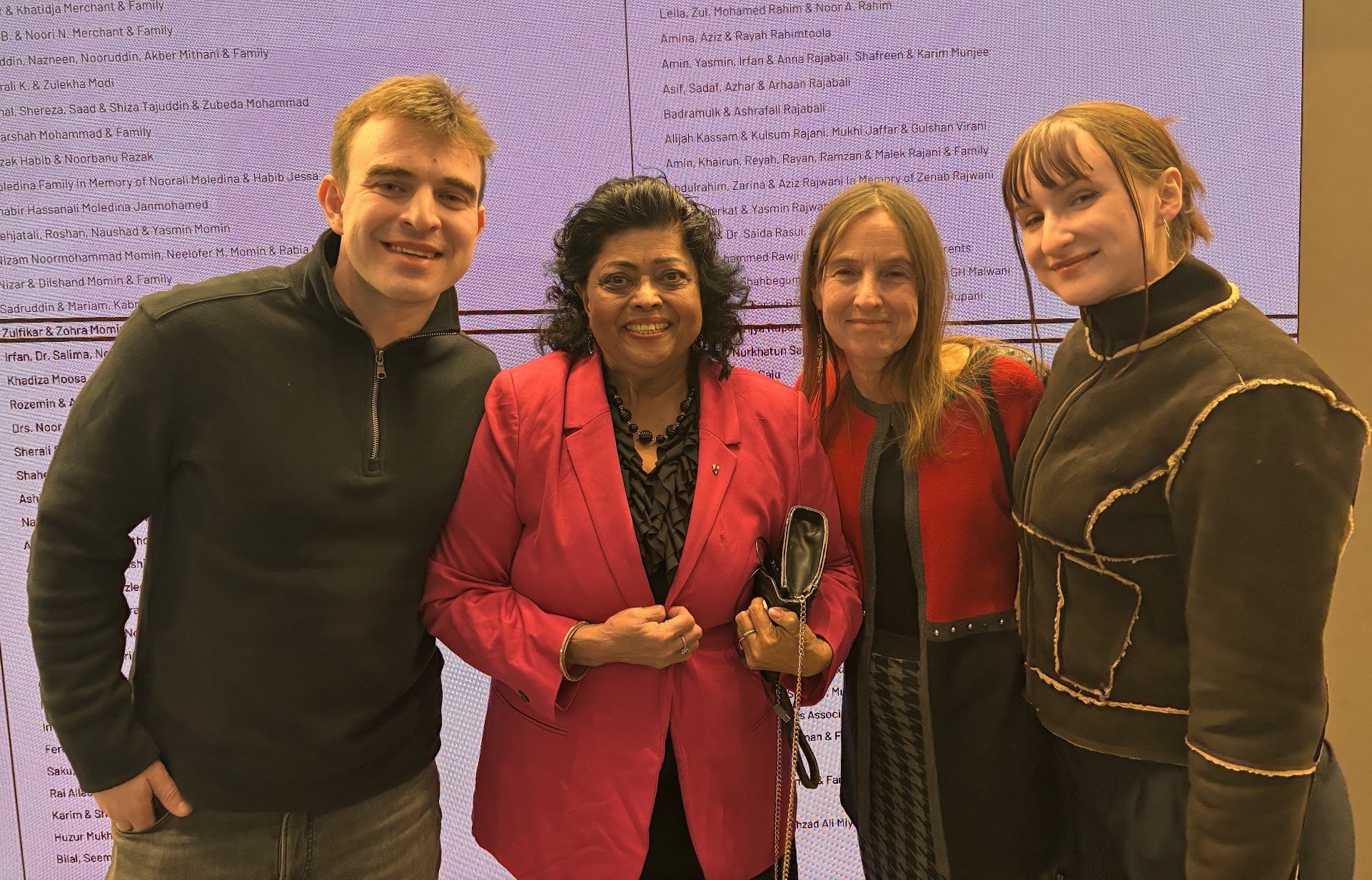
The Young Adults Interfaith Dialogue Group meets occasionally to foster mutual understanding and friendship through shared meals and fellowship, exchange on religious themes and social service to the community.
The Archdiocese of Toronto endorses the Dominican Friars Youth Interfaith Video Contest. Sponsors of this annual contest have included the Dominican Friars-Toronto, The Catholic Register, Salt + Light Media, and The Mary Ward Centre. Students are invited to reflect on how love, compassion, and interfaith dialogue can help bridge divisions, promote understanding, and foster unity. Participants create videos that demonstrate the transformative power of faith and collaboration, showing how by coming together with respect and empathy, challenges may be transcended for peace and harmony in society.
Dialogue and Common Witness
The Office joins hands with many community and faith groups to address the issue of homelessness and other social injustices.
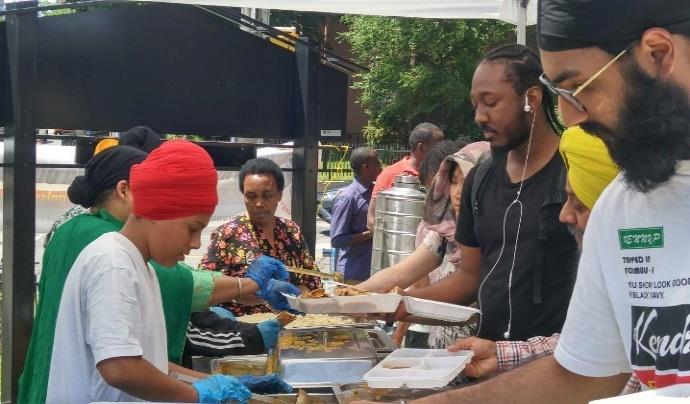
One such outreach initiative is Ripples of Kindness that is organized by Sacré Coeur Catholic Parish with the support of the Office. This interfaith and intercultural event is a community meal open to all at no cost on most Saturdays and aims to assist the marginalized and struggling residents of downtown Toronto. The meal is prepared by various faith communities.
The Archdiocese of Toronto participates in Mosaic Interfaith that was founded in 1980 and is made up of congregations representing Buddhist, Christianity, Hindu Dharma, Islam, Judaism, Sikhism, and Zoroastrianism. These religious communities gather for various dialogue and programming initiatives throughout the year in Thornhill involving St. Luke’s Catholic Church.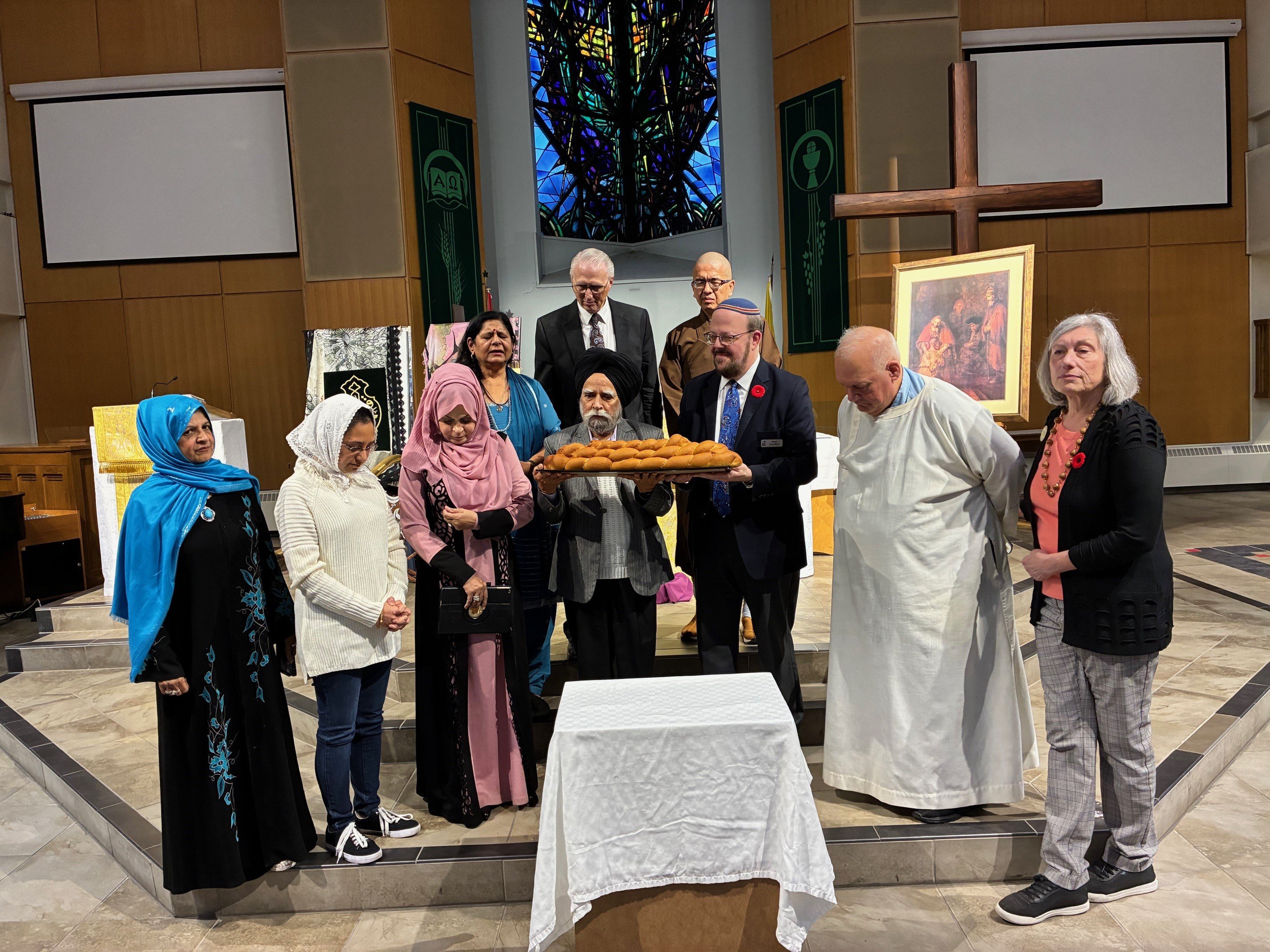
In 2004, the Archdiocese of Toronto spearheaded the establishment of the Toronto Area Interfaith Council (TAIC). This board of representatives of various faith communities and groups is dedicated to affirming the importance of ethics, spirituality, and faith in daily life and to the promotion of understanding, harmony, respect, and acceptance among the faith communities of the Toronto area. TAIC functions in association with individuals and organizations devoted to multi-faith activities and social transformation in the city.
Members of the Archdiocese of Toronto serve on a number of interreligious conversations sponsored by the Canadian Conference of Catholic Bishops. These include the Hindu-Catholic Dialogue and the Jewish-Catholic Dialogue.
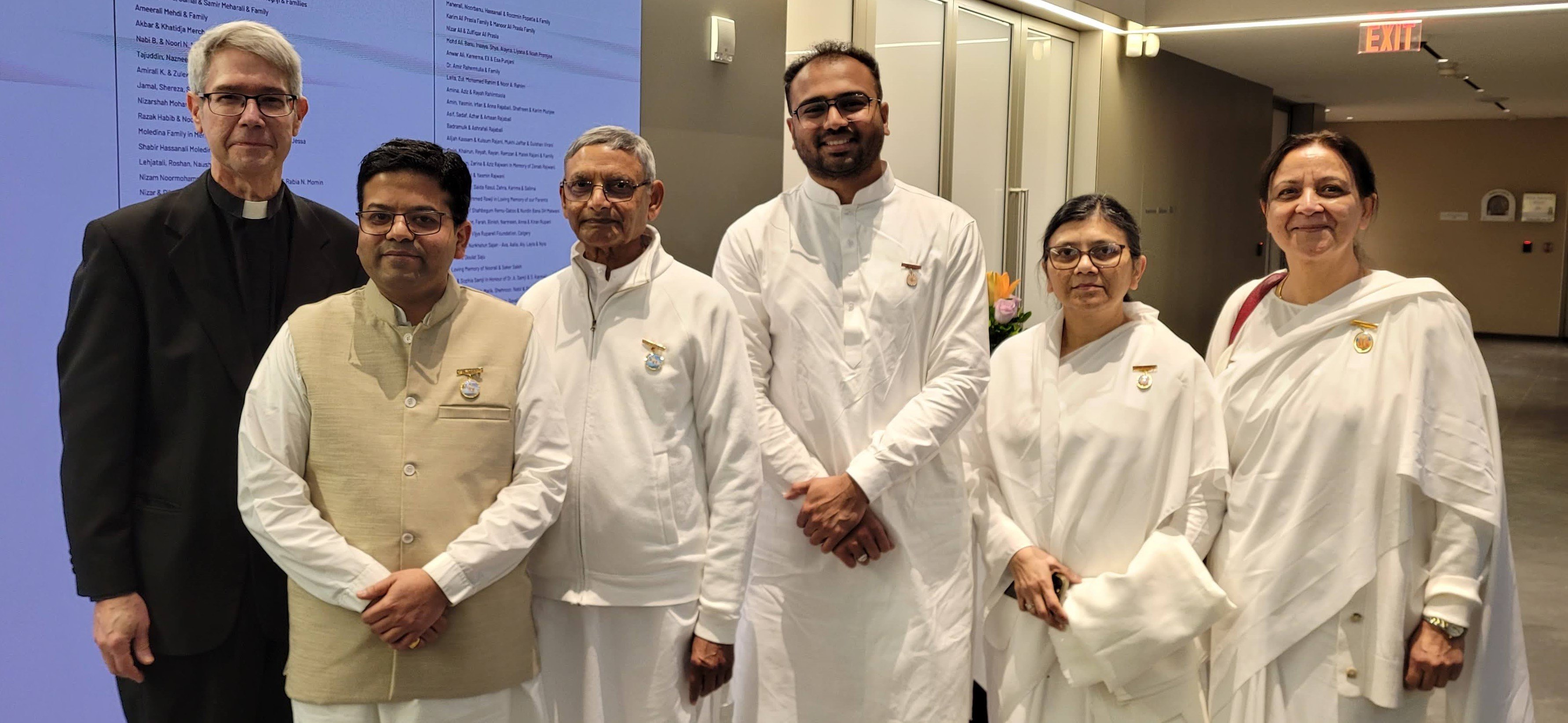
Scriptural Reasoning is a helpful tool for interreligious understanding. It is premised on people of different faiths coming together to read and reflect on their scriptures. Unlike some forms of engagement, it is not about seeking agreement but rather exploring the texts and their possible interpretations across faith boundaries and learning to “disagree better”. The result is often a deeper understanding of others' and one’s own scriptures, as well as the development of strong bonds across faith communities. Scriptural Reasoning is now practised globally, including in places affected by religion-related tensions and conflict.” A vast library of resources is available for Spiritual Reasoning, from ‘Text Packets’ on various topics to guidelines and tips for the facilitation of groups.
The Season of Creation is an annual time to pray and respond together to care for the Earth. It begins on 1 September (the World Day of Prayer for the Care of Creation) and concludes on 4 October (the Feast Day of St. Francis of Assisi the patron saint of ecology). It is observed among Christians as well as together with many faith communities.
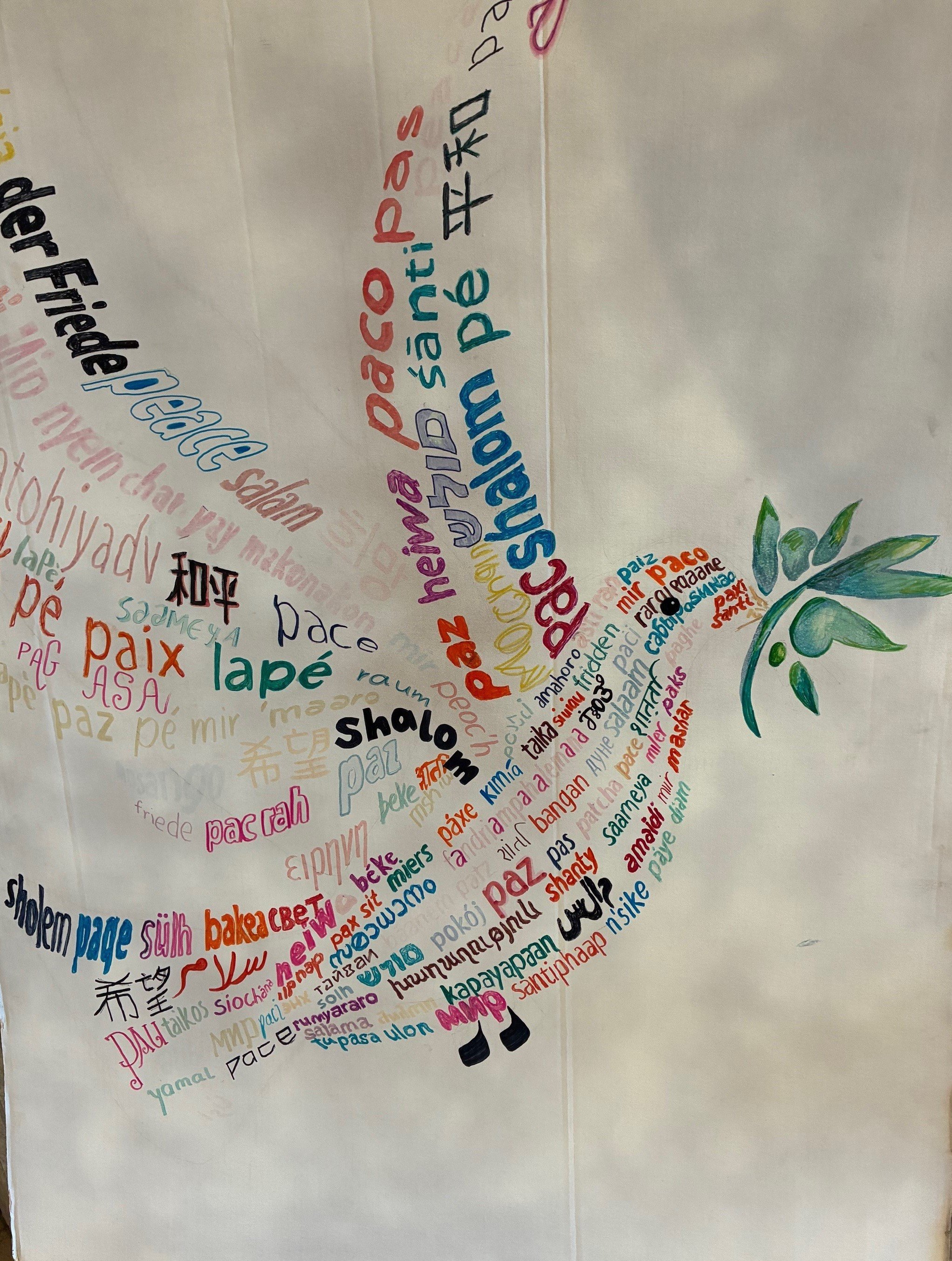
A Prayer to the Creator
Lord, Father of our human family,
you created all human beings equal in dignity:
pour forth into our hearts a fraternal spirit
and inspire in us a dream of renewed encounter,
dialogue, justice and peace.
Move us to create healthier societies
and a more dignified world,
a world without hunger, poverty, violence and war.
May our hearts be open
to all the peoples and nations of the earth.
May we recognize the goodness and beauty
that you have sown in each of us,
and thus forge bonds of unity, common projects,
and shared dreams. Amen.8
Endnotes:
- Evangelii gaudium, Apostolic Exhortation of Pope Francis on the Proclomation of the Gospel in Today's World, Vatican, 24 November 2013, §250 [Hereafter EG].
- EG §142.
- Fratelli tutti, Encyclical Letter of Pope Francis on Fraternity and Social Friendship, Vatican, 3 October 2020, FT §259 [Hereafter FT].
- "Fostering Religious Harmony for the Sake of Humanity", Joint Statement of Pope Francis and Grand Imam Nasaruddin Umar, Jakarta, Indonesia, 6 September 2024.
- "Address of the Holy Father to Representative of other Churches and Ecclesial Communities, and other Religions," Pope Leo XIV 19 May 2025.
- "Message of His Holiness for the LIX World Day of Peace," Pope Leo XIV, 1 January, 2026.
- The Gift of Priestly Vocation, 'Ratio Fundamentalis Sacerdotalis', Congregation for the Clergy, Vatican, 8 December 2016, §175.
- FT §287.
*Source for the image at the top of the webpage Bro. Mel Meyer, SM (1928-2013) from the National Archives Marianist Province of the United States collection.